How to Start an Online T-Shirt Business (Complete Guide for Beginners)
Starting an online T-shirt business can be a great opportunity, but it has to be done in a smart, practical, and low-risk way.
A common mistake new entrepreneurs make is printing too much stock, buying printing machines too early, overspending on packaging, or stocking too many styles and colors before they have steady sales. This ties up money, creates dead stock, and can dent your confidence if the business doesn’t take off right away.
The right approach is to first build your business model, test your designs, understand customer demand, and only then scale up.
The safest model for a new online T-shirt brand is simple: keep blank T-shirts ready, showcase printed designs online, and print only after you receive an order.
This approach reduces risk, lowers your investment, avoids dead stock, and protects you from being stuck with printed T-shirts that may never sell.
1. Keep Blank T-Shirts Ready, Not Printed Stock
In the beginning, avoid keeping printed T-shirts in stock. Instead, keep blank T-shirts ready in selected colors, sizes, and styles.
Recommended basic styles to start with:
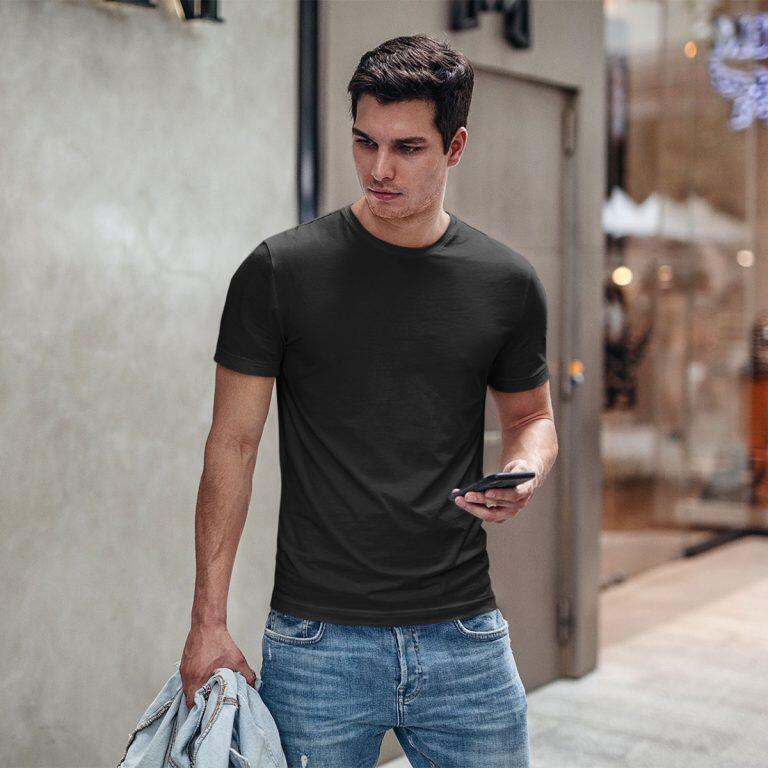
- Basic round neck T-shirts
- Oversized T-shirts
- Crop tops
Later, based on demand, you can add:
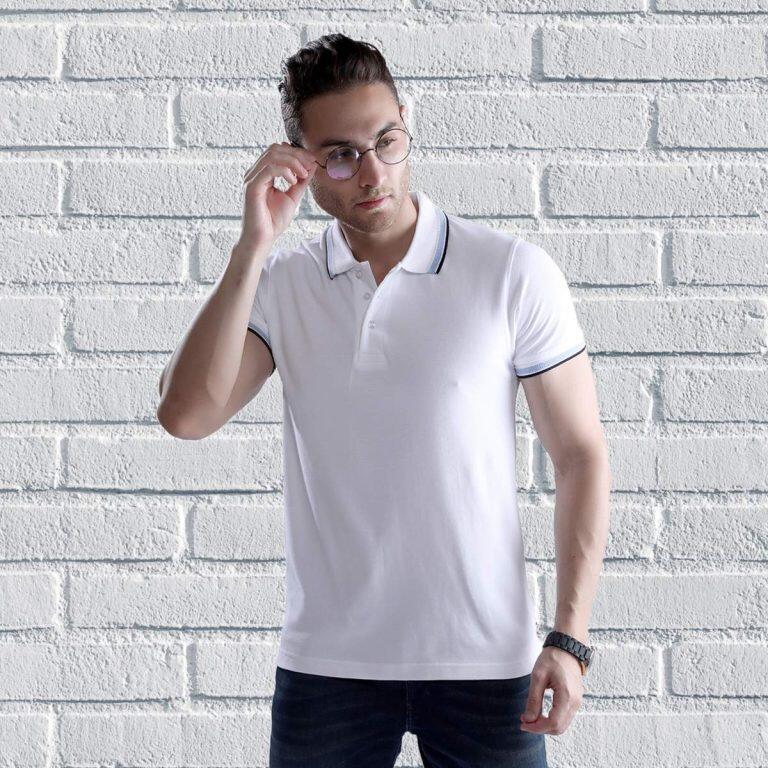
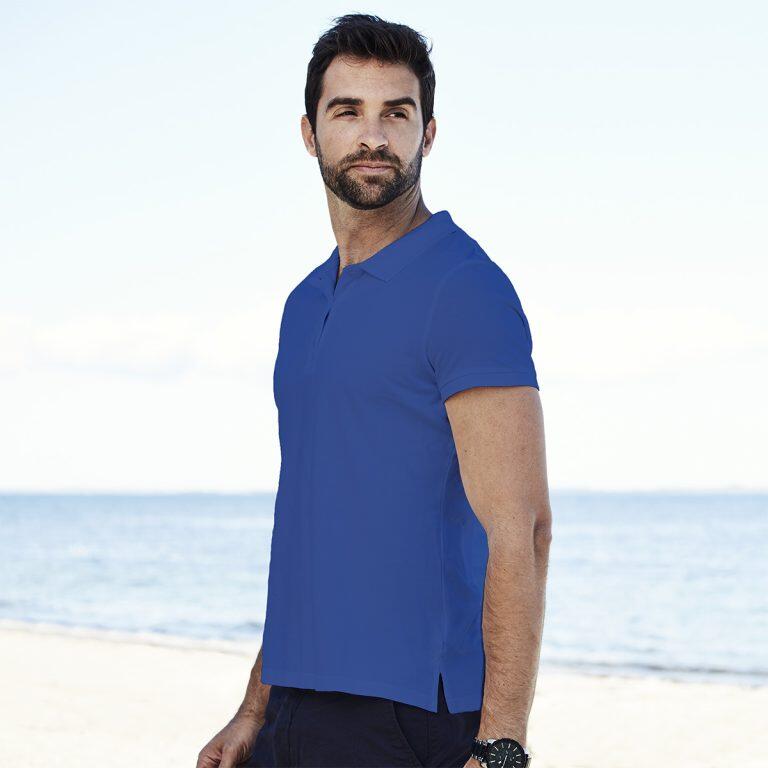
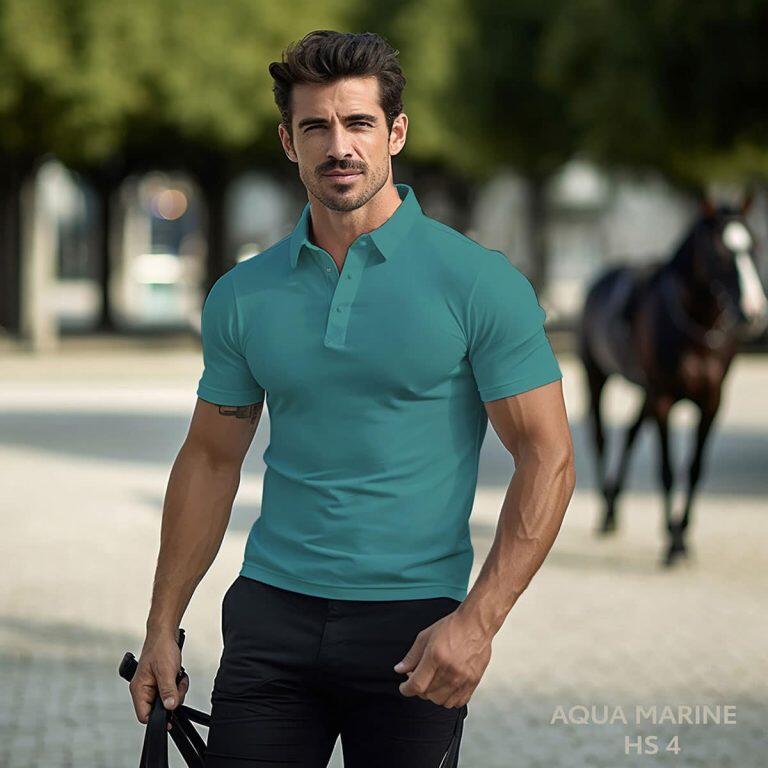
- Polo T-shirts
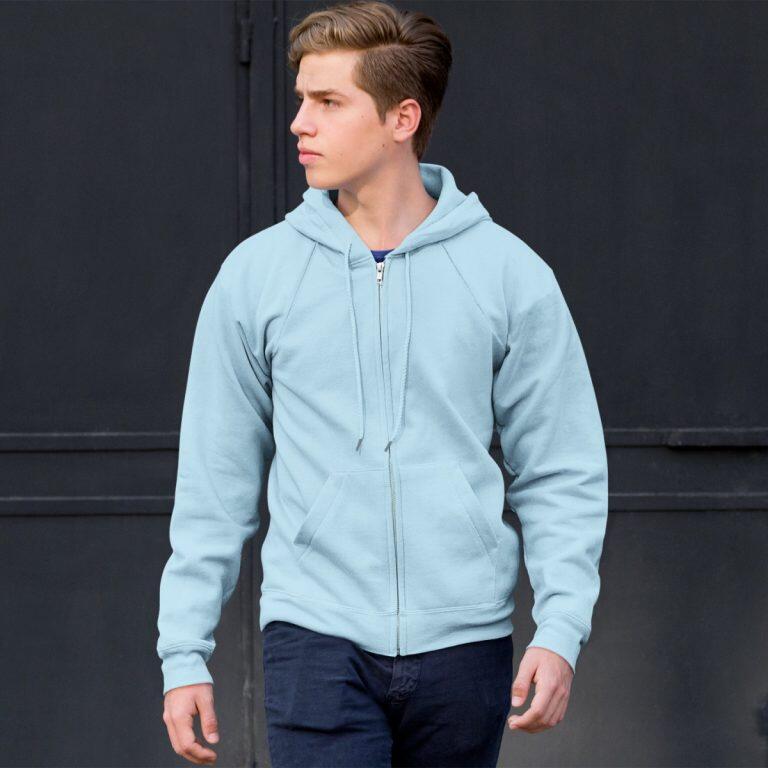
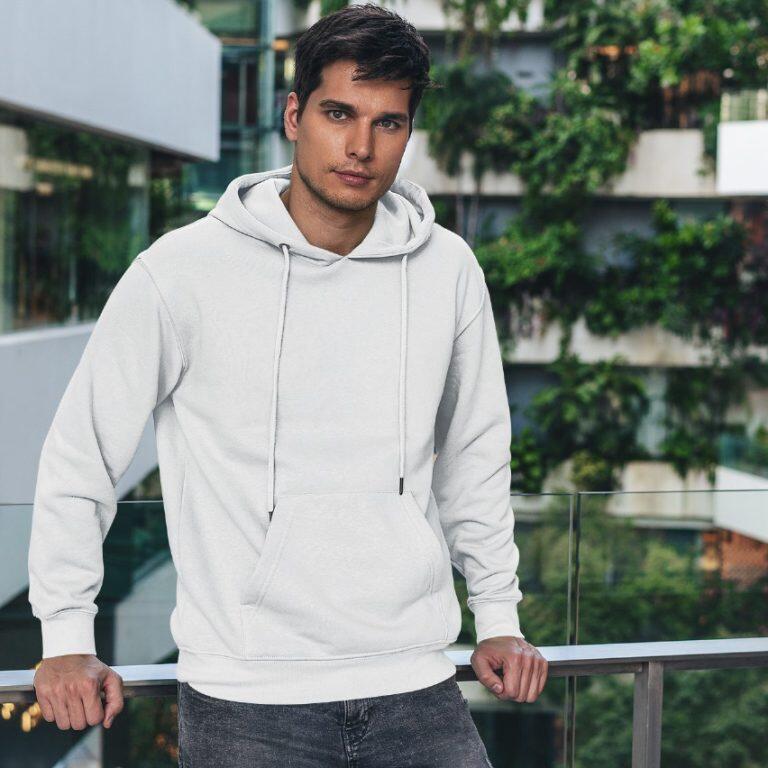
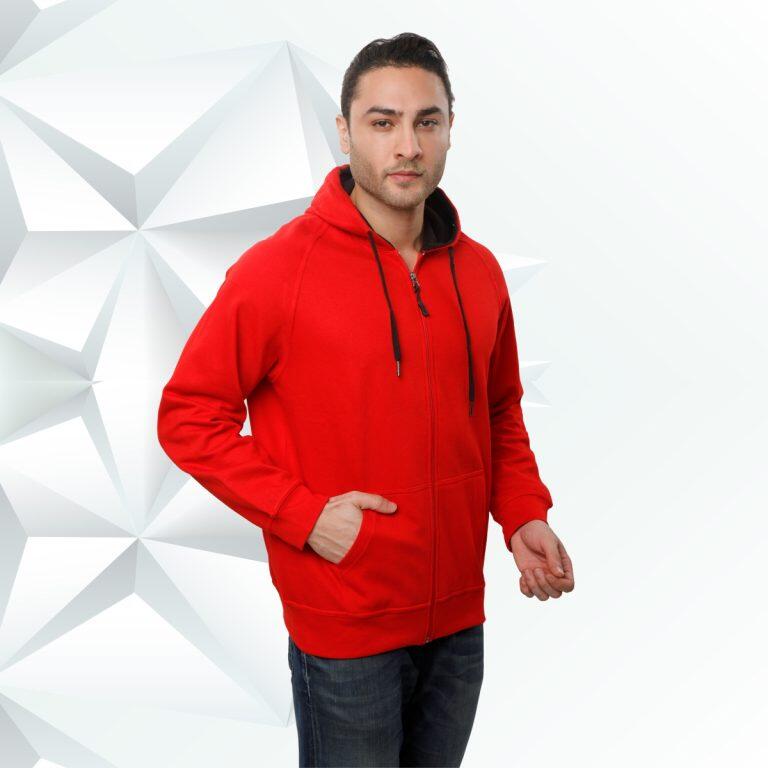
- Hoodies
- Sweatshirts
- Kidswear
- Full-sleeve T-shirts
That said, don’t start with too many styles at once. Every new style adds inventory, sizing complexity, stock pressure, and more to manage.
A safer, phased approach:
- Start with basic round neck T-shirts
- Add oversized T-shirts
- Add crop tops or women’s styles
- Add hoodies, polos, sweatshirts, or kidswear once demand is proven
2. Suggested T-Shirt Colors
- Black
- White
- Grey mélange
- Navy blue
These are safe, commercial colors. Black and white are especially important because most designs look good on them.
To add variety, you can include one or two extra colors such as:
- Ice blue
- Olive
- Beige
- Lavender
- Bottle green
- Red
Choose extra colors that match your brand’s audience. For example:
- Streetwear brand: Black, White, Grey, Navy, Olive, Beige
- College/youth brand: Black, White, Lavender, Red, Ice Blue
- Minimal premium brand: Black, White, Beige, Navy
- Gym brand: Black, Navy, Grey, Maroon, Olive
Keep your color range attractive but not too wide. Too many options creates inventory pressure and can confuse buyers, which delays their decision and puts the sale at risk.
3. Start With Low Inventory Per Color and Size
A startup should not overstock in the beginning.
A simple starting stock plan for each color could be:
- Small: 10 pieces
- Medium: 10 pieces
- Large: 10 pieces
- XL: 10 pieces
- 2XL: 10 pieces
That’s 50 blank pieces per color. If you start with 5 colors, you’ll need around 250 blank T-shirts per style.
This is much safer than printing hundreds of designs and waiting for customers to buy them.
As an entrepreneur, keep this in mind: blank T-shirts can be used for any design, but printed T-shirts can only be sold to a customer who wants that exact design, color, and size. That’s why blank inventory is flexible, while printed inventory is risky.
After 30 to 60 days, study your actual sales and adjust your size ratio accordingly. For example, if Medium, Large, and XL sell more, shift from equal stock to a more practical ratio such as:
- Small: 5 pieces
- Medium: 15 pieces
- Large: 20 pieces
- XL: 15 pieces
- 2XL: 5 pieces
The final ratio should be based on actual customer demand, not guesswork.
4. Keep Designs Ready Online
As a startup, build a strong bank of printable designs and showcase them on your website or online store. You don’t need to print all of these in advance.
Organize your designs into categories such as:
- Motivational quotes
- Gym and fitness
- Travel
- Music
- Minimal typography
- Couple T-shirts
- College and youth themes
- Festival themes
- Funny quotes
- Streetwear graphics
- Office humour
- Pet lovers
- Bikers
- Foodies
- Regional language designs
- Entrepreneur/startup quotes
A good starting point is 50 to 100 strong designs at launch. Over time, you can grow this to a few hundred based on customer response.
Remember: hundreds of weak designs are not better than 50 strong ones.
Organize your website into clear categories so customers don’t feel overwhelmed or confused.
5. Use Mockups Before Printing
Show your designs on T-shirt mockups so customers can see how the print will look on:
- Black T-shirts
- White T-shirts
- Oversized T-shirts
- Crop tops
- Different styles and colors
You can create mockups using Photoshop, Canva, AI tools, or professional mockup software.
However, mockups should be realistic, don’t mislead customers.
Avoid showing:
- Over-bright print colors that can’t actually be achieved
- Wrong print size
- Wrong placement
- A premium-looking fit if the actual garment is different
- Fake fabric texture
- Over-edited images
Customers should receive something close to what they saw online.
The key point: show the design online first, and print only after the order is received.
6. Print Only After Receiving the Order
The best startup model is print-on-demand. The process should look like this:
- Customer sees the design online
- Customer selects color, size, and style
- Customer places the order
- The blank T-shirt is picked from stock
- The design is printed on that T-shirt
- The order is packed and dispatched
This model reduces risk because you’re not blocking money in printed inventory; you’re only printing what’s already been sold.
If your printer is ready and efficient, same-day dispatch is ideal. But don’t overpromise unless your system can truly deliver it.
A safer promise on your website: “Usually dispatched within 24 to 48 hours after order confirmation.”
7. Keep Blank T-Shirts With the Printer
A very practical setup is to leave your blank T-shirts with the printer. As an entrepreneur, you can provide:
- Blank T-shirts in different sizes and colors
- Printable design files
- Packing material
- Brand stickers, thank-you cards, etc.
- Order details once sales come in
Once an order comes in, the printer can print, pack, and dispatch it directly.
The printer may charge ₹5 to ₹10 extra per piece for handling, storage, coordination, or dispatch support. This is usually worth it, since it cuts your overhead, saves time, and removes the need for a separate office, staff, or printing setup. It also helps your startup stay lean.
That said, formalize this arrangement. Have a simple written understanding with your printer covering:
- Who is responsible for blank stock stored at the printer’s location
- What happens if stock is damaged, misplaced, stained, or wrongly printed
- Who bears the cost of wrong printing
- Who is responsible for packing mistakes
- Daily or weekly stock reconciliation
- Dispatch cut-off time
- Quality-check responsibility
- Payment terms
- Confidentiality of designs and customer details
Treat your printer as an operations partner, not just a vendor.
8. Don’t Buy Printing Machines in the Beginning
New entrepreneurs should avoid investing in printing machines at the start. Printing machines require:
- Capital investment
- Space
- Skilled operators
- Maintenance
- Electricity
- Wastage control
- Print testing
- Color matching
- Handling rejections
- Regular order volume to justify the cost
If sales are low or irregular, the machine becomes a burden instead of an asset.
Early on, focus on:
- Designs
- Branding
- Website
- Social media
- Advertising
- Customer service
- Product quality
- Fast dispatch
- Repeat customers
Only consider buying your own printing machine once order volume is consistent, predictable, and large enough to keep it profitably occupied. A good benchmark is selling a few hundred pieces a day consistently. Until then, outsourcing printing is safer.
9. Understand Print Method Limitations
Not every design prints equally well on every fabric and color. Different printing methods have different strengths and limitations. For example:
- DTF printing works on many fabrics and colors, but feel and durability depend on print quality.
- Screen printing is good for bulk orders, but may not suit one-piece print-on-demand.
- DTG printing depends on fabric quality and machine setup.
- Sublimation is mainly suited to polyester or light-colored garments.
Take guidance from your printer before offering designs online, and be careful with:
- Very large solid prints
- Very fine lines
- Neon colors
- Extremely detailed artwork
- Print colors that may look different on screen versus on fabric
- Designs that may feel heavy on the chest
For every new design or print method, print one sample and check the result before promoting it heavily.
10. Understand Your Unit Economics Before You Start
This is one of the most important parts of the business.
Many new entrepreneurs calculate only the T-shirt cost and printing cost. This is a mistake. For example, they might think:
T-shirt cost: ₹150
Printing cost: ₹80
Total cost: ₹230
Selling price: ₹399
Profit: ₹169
But this calculation is incomplete. A proper cost calculation should include:
- Blank T-shirt cost
- Printing cost
- Packing cost
- Courier cost
- COD charges, if any
- Payment gateway charges
- Website or marketplace commission
- GST/taxes
- Advertising cost per order
- Return and exchange cost
- RTO cost
- Damaged or rejected pieces
- Designer cost
- Handling cost
- Profit margin
If you skip these, you could sell many pieces and still end up at a loss.
A better formula: Selling Price − Total Cost Per Delivered Order = Actual Profit
Know your actual profit after all expenses, not just the gap between T-shirt cost and selling price.
Important rule: never set your selling price by adding just the T-shirt cost and print cost. Calculate the complete cost per delivered order.
Also keep enough margin to absorb:
- Returns
- Ad costs
- Discounts
- Courier issues
- Damaged pieces
- Slow-moving stock
- Customer support
Another important rule: don’t price your products so low that a single return or one ad campaign wipes out your entire profit.
11. Be Careful With COD and RTO
Cash on Delivery (COD) can increase orders, but it can also increase fake orders, refused deliveries, and courier losses.
RTO stands for Return to Origin, this happens when a parcel isn’t delivered and comes back to the seller. In many cases, the seller pays courier charges for both the forward and return trip, which can destroy your profit.
If you offer COD:
- Verify high-value orders
- Send WhatsApp confirmation
- Call suspicious orders
- Charge a small COD fee if needed
- Avoid COD for doubtful addresses
- Track your RTO percentage every week
A business can look successful in order numbers but still lose money because of RTO.
Prepaid orders are safer, but COD can work well if you have a proper verification process in place.
12. Legal and GST Compliance
If you’re using your printer’s location to store blank T-shirts, print orders, pack goods, or dispatch them, check whether that location needs to be registered as an additional place of business under GST. Confirm this with a CA or GST consultant.
Maintain proper records of:
- Blank T-shirt stock
- Designs sold
- Orders received
- Printing done
- Dispatch details
- Invoices
- Returns
- Damaged or rejected pieces
- Payments to the printer
- Customer payments
Good records protect your business and help you avoid compliance problems down the road.
Also seek advice on:
- GST registration
- Invoice format
- HSN code
- E-way bill requirement, if applicable
- Marketplace compliance
- TCS/TDS implications, if selling on marketplaces
- Trademark registration for your brand name
13. What Is an SKU?
SKU stands for Stock Keeping Unit. It’s a unique code given to each product variation so the business can easily identify, track, and manage inventory.
In a T-shirt business, one design can have many variations, since a customer may choose:
- Style
- Color
- Size
- Print design
- Fabric type
- Gender/category
Each variation should have its own SKU. For example, a black round neck T-shirt in size Large with design number 101 should have a different SKU from a white oversized T-shirt in size Medium with the same design.
14. Blank SKU and Final Product SKU
In a print-on-demand T-shirt business, it’s useful to maintain two types of SKUs.
Blank T-Shirt SKU
This tracks blank T-shirt inventory. Example:
RN-BLK-L
This means:
- RN = Round Neck
- BLK = Black
- L = Large
Final Printed Product SKU
This tracks the final product sold to the customer. Example:
RN-BLK-L-D101
This means:
- RN = Round Neck
- BLK = Black
- L = Large
- D101 = Design Number 101
This matters because you’re stocking blank T-shirts but selling printed products. Track both:
- Blank inventory
- Printed order SKU
This prevents confusion between website listings, printer instructions, inventory, and dispatch.
15. Why SKUs Are Important
SKUs help you with:
- Tracking stock properly
- Avoiding wrong dispatches
- Managing orders faster
- Knowing which designs sell best
- Knowing which colors and sizes move fastest
- Reordering blank T-shirts correctly
- Reducing confusion between the entrepreneur, printer, packer, and delivery team
- Creating clean sales and inventory reports
- Scaling the business professionally
- Managing returns and exchanges more easily
- Avoiding wrong printing and wrong dispatch
Without SKUs, the business becomes confusing once orders increase.
16. How to Create an SKU
A good SKU should be simple, logical, and easy to understand. One suggested format is:
Brand – Style – Color – Size – Design Number
Example:
RFT-RN-BLK-L-D101
This can mean:
- RFT = Brand name
- RN = Round Neck
- BLK = Black
- L = Large
- D101 = Design Number 101
Another example:
RFT-OS-WHT-XL-D205
This can mean:
- RFT = Brand name
- OS = Oversized
- WHT = White
- XL = XL size
- D205 = Design Number 205
For crop tops:
RFT-CRP-NVY-M-D078
This can mean:
- RFT = Brand name
- CRP = Crop Top
- NVY = Navy Blue
- M = Medium
- D078 = Design Number 078
17. Suggested SKU Codes
Style codes:
- RN = Round Neck
- OS = Oversized
- CRP = Crop Top
- POLO = Polo
- HD = Hoodie
- SWT = Sweatshirt
Color codes:
- BLK = Black
- WHT = White
- GRM = Grey Mélange
- NVY = Navy Blue
- MRN = Maroon
- BGR = Bottle Green
- BGE = Beige
- RED = Red
- OLV = Olive
- LAV = Lavender
Size codes:
- S = Small
- M = Medium
- L = Large
- XL = XL
- 2XL = 2XL
- 3XL = 3XL
Design codes:
Every design should have a design number, and every product variation should have a complete SKU.
18. Packaging: Keep It Smart, Not Over-Fancy
Packaging matters because it shapes the first impression, but a new T-shirt brand shouldn’t go overboard with fancy or bulky boxes early on.
Many startups overspend on premium rigid boxes, large cartons, or heavy packaging, which creates two problems.
First, courier companies handle thousands of parcels a day, often stacking, pressing, and stuffing them during transport. Fancy boxes can easily get crushed, damaged, or lose their premium look before reaching the customer, which can leave a bad impression even if the T-shirt inside is fine.
Second, bulky packaging can increase courier costs. Couriers often charge based on volumetric weight rather than actual weight, so a lightweight T-shirt packed in a big box may get billed as a heavier shipment simply because it takes up more space.
A simple, neat, compact, and sturdy package is usually better than a fancy oversized one.
Recommended packaging for T-shirts:
- Use good-quality courier bags or compact cardboard mailer boxes
- Keep the parcel flat and compact
- Avoid oversized boxes
- Avoid unnecessary empty space inside the package
- Use a polybag, butter paper, or inner packing to protect the T-shirt
- Add a simple thank-you card or brand sticker if your budget allows
- Make sure the package looks clean and professional, but not bulky
- Ensure the package has some protection against rain and handling damage
- Use proper shipping labels so couriers can scan and process parcels easily
19. Volumetric Weight Formula
Most courier companies calculate volumetric weight approximately as:
Length × Breadth × Height (in cm) ÷ 5000
Couriers charge based on whichever is higher: actual weight or volumetric weight.
For example, if the actual parcel weight is 350 grams but the box dimensions give a volumetric weight of 800 grams, the courier may bill it as an 800-gram or 1-kg shipment, depending on their billing slabs.
20. Ideal Packaging Dimensions
To keep your parcel within the 500-gram volumetric category, the package volume should ideally stay within 2,500 cubic cm.
Example dimensions: 25 cm × 20 cm × 5 cm = 2,500 cubic cm
Volumetric weight: 2,500 ÷ 5,000 = 0.5 kg
So for one regular T-shirt, aim for a final packed size around 25 cm × 20 cm × 5 cm, or smaller if possible.
For the 1-kg volumetric category, the package volume should ideally stay within 5,000 cubic cm.
Example dimensions: 30 cm × 25 cm × 6 cm = 4,500 cubic cm
Volumetric weight: 4,500 ÷ 5,000 = 0.9 kg
Another example: 32 cm × 25 cm × 6 cm = 4,800 cubic cm
Volumetric weight: 4,800 ÷ 5,000 = 0.96 kg
So for two T-shirts, or a slightly thicker product, aim for a final packed size between 30 cm × 25 cm × 6 cm and 32 cm × 25 cm × 6 cm.
Always confirm the exact volumetric divisor and billing slab with your courier aggregator or courier company, since different partners may follow different rules.
The main rule is simple: don’t make the package bigger than necessary. Bigger packaging can raise courier costs even when the product itself is light.
21. Keep a Proper Size Chart
Online apparel returns often happen because of size confusion. Your website should clearly show:
- Chest
- Length
- Shoulder
- Sleeve length
- Fit type
- Measurement tolerance
For example: “Measurement tolerance: ±0.5 inch to ±1 inch.”
Also mention: “Please check the size chart before ordering. Sizes may differ from other brands.”
This helps reduce returns and customer complaints.
22. Have a Clear Return and Exchange Policy
Decide your returns and exchange policy before launch. Think through:
- Is size exchange allowed?
- Is return allowed?
- Are printed-on-demand items returnable?
- Are customized name/photo products returnable?
- Who pays for reverse courier?
- What happens if the customer orders the wrong size?
- What happens if there’s a manufacturing defect?
- What happens if the wrong product is shipped?
This should be clearly written on your website.
For customized products, the policy should be stricter, since these items can’t easily be resold.
Without a clear policy, disputes will happen.
23. Maintain Quality Control Before Dispatch
Before dispatch, check every order for:
- Correct design
- Correct size
- Correct color
- Correct SKU
- Print placement
- Print quality
- Fabric stains
- Stitching defects
- Packing label
- Customer address
- Invoice/order details
A simple dispatch checklist can prevent costly mistakes.
For every new design, print method, or blank T-shirt quality, test one sample before selling it heavily, and check the sample after washing too.
24. Don’t Copy Copyrighted Designs
A new T-shirt brand should avoid using:
- Brand logos
- Movie names or movie artwork
- Cartoon characters
- Anime characters
- Sports team logos
- Celebrity photos
- Music band logos
- Famous quotes from protected works
- Song lyrics
- Game characters
- Designer artwork found online
- Images from Google, Pinterest, Instagram, or other sites without permission
Many entrepreneurs assume “fan art” is safe because they’re drawing or recreating the design themselves. That’s not correct: fan art can still be a copyright or trademark violation if it’s based on protected characters, logos, names, movies, games, anime, celebrities, or brands.
Even if the artwork is redrawn, modified, or done in a different style, it can still create legal risk if customers can recognize the original protected character, brand, or property.
For example, T-shirts based on famous superheroes, anime characters, football clubs, luxury brands, movie dialogues, or celebrity images shouldn’t be used without proper permission or licensing.
The safest approach:
- Create original designs
- Use properly licensed artwork
- Use commercially permitted fonts and graphics
- Keep proof of design licenses
- Work with designers who confirm their artwork is original
- Avoid anything that relies on another brand, celebrity, movie, game, anime, or sports team for its appeal
A startup shouldn’t risk takedowns, legal notices, marketplace account suspension, or customer complaints over copied or fan-based designs.
25. Do’s for a New Online T-Shirt Business
Do start small. Begin with limited colors, limited styles, and controlled blank inventory. Expand only after seeing real sales.
Do focus on blank stock. Blank T-shirts are safer than printed ones because they can be used for any design.
Do create strong digital designs. Your website should look full and attractive, even if your physical stock is just blank T-shirts.
Do use realistic mockups. Customers should see how the print will look on the actual T-shirt color and style.
Do maintain quality. Fabric, stitching, fit, print quality, and packaging should all be consistent, one bad order can shake customer confidence.
Do work with a reliable printer. They should print fast, maintain quality, pack properly, and dispatch on time.
Do maintain SKUs. Every product variation should have an SKU to avoid mistakes.
Do test designs first. Run ads and social posts to gauge interest before increasing stock.
Do calculate full cost. Your selling price should include all costs, not just the T-shirt and printing.
Do keep customer service strong. Fast replies, clear size charts, a transparent return policy, and order updates build trust.
Do review sales data weekly. Check which designs, sizes, colors, and styles are actually selling.
26. Don’ts for a New Online T-Shirt Business
Don’t print large quantities before orders. This is the biggest mistake, printed stock can become dead stock if a design doesn’t sell.
Don’t start with too many colors. Too many colors increase stock investment and confusion.
Don’t start with too many styles. Begin with core styles and add more only after demand is proven.
Don’t buy a printing machine too early. Only buy one once daily order volume is high and consistent.
Don’t copy copyrighted designs. Avoid copied artwork, fan art, brand logos, celebrity images, movie references, anime characters, and other protected content unless you have proper permission or licensing.
Don’t depend only on discounts. A T-shirt brand shouldn’t survive on cheap pricing alone, it needs good designs, good quality, and a clear brand identity.
Don’t ignore size charts. Wrong sizing leads to returns and complaints.
Don’t ignore packaging. Packaging shapes the first impression, but keep it practical, over-fancy packaging can get crushed in transit and raise courier costs due to volumetric weight.
Don’t ignore returns and exchanges. Returns are part of online business, your pricing and operations should account for them.
Don’t trust only likes and comments. Social media likes don’t always mean sales, judge designs by actual orders.
Don’t spend heavily on ads without testing. Start with small budgets and test designs, audiences, pricing, and creatives before scaling.
27. Build the Website Properly
Your website should be simple, clear, and trustworthy. It should include:
- Clear product images or mockups
- Proper product titles
- Size chart
- Fabric details
- Fit details
- Print details
- Wash care instructions
- Return and exchange policy
- Shipping timeline
- Contact details
- Payment options
- COD policy, if applicable
Customers should feel safe while ordering.
Don’t just write “premium cotton” without explanation. Mention details such as:
- Fabric type
- GSM
- Fit
- Neck type
- Sleeve type
- Print type
- Wash care
Clear information reduces complaints.
28. Marketing Is Necessary
A website full of designs doesn’t automatically create sales. You need a marketing plan too, which may include:
- Instagram content
- Reels
- Influencer seeding
- Paid ads
- WhatsApp marketing
- Email marketing
- SEO
- Marketplace listings
- Festival campaigns
- New design drops
A common mistake is spending all your money on stock, website, or packaging and leaving nothing for marketing.
Test your marketing carefully: start small, measure results, and scale only what works.
29. Study Sales Data Every Week
Every week, review:
- Best-selling designs
- Slow-moving designs
- Best-selling colors
- Best-selling sizes
- Best-selling styles
- Return reasons
- Exchange reasons
- Ad performance
- Customer feedback
- RTO percentage
- Profit per order
This helps you make decisions based on data, not guesswork.
30. Recommended Startup Model
The best model for a beginner combines: low blank inventory, strong online designs, realistic mockups, outsourced printing, print-after-order, controlled packaging, a proper SKU system, and clear unit economics.
This model protects you from heavy losses. Use it to first prove:
- Which designs sell
- Which colors sell
- Which sizes sell
- Which style sells best
- What price customers accept
- Which ads work
- Which customer segment responds
- What your actual profit per order is
Once your business reaches a few hundred pieces a day, you can consider investing in your own printing setup. Until then, stay lean, avoid unnecessary machinery, and focus on sales, branding, design, quality, and customer satisfaction.
Final Advice to New Entrepreneurs
Don’t start a T-shirt business emotionally, start it systematically.
A successful online T-shirt business isn’t just about printing designs. It’s about choosing the right blank T-shirts, keeping inventory under control, creating original designs, maintaining SKUs, outsourcing smartly, dispatching quickly, pricing correctly, controlling courier costs, handling returns, and avoiding unnecessary investment.
Start small, test fast, control risk, and scale only after real sales prove the demand.
The most important rule: don’t spend like a big brand before you have the sales of a big brand.
Your goal in the beginning isn’t to look big, it’s to survive, learn, sell profitably, and build customer trust.
Once your business has regular sales, repeat customers, low returns, controlled RTO, and healthy profit per order, you can scale with confidence.